

Diabetic Eye Exams: Protecting Your Eyes From Complications
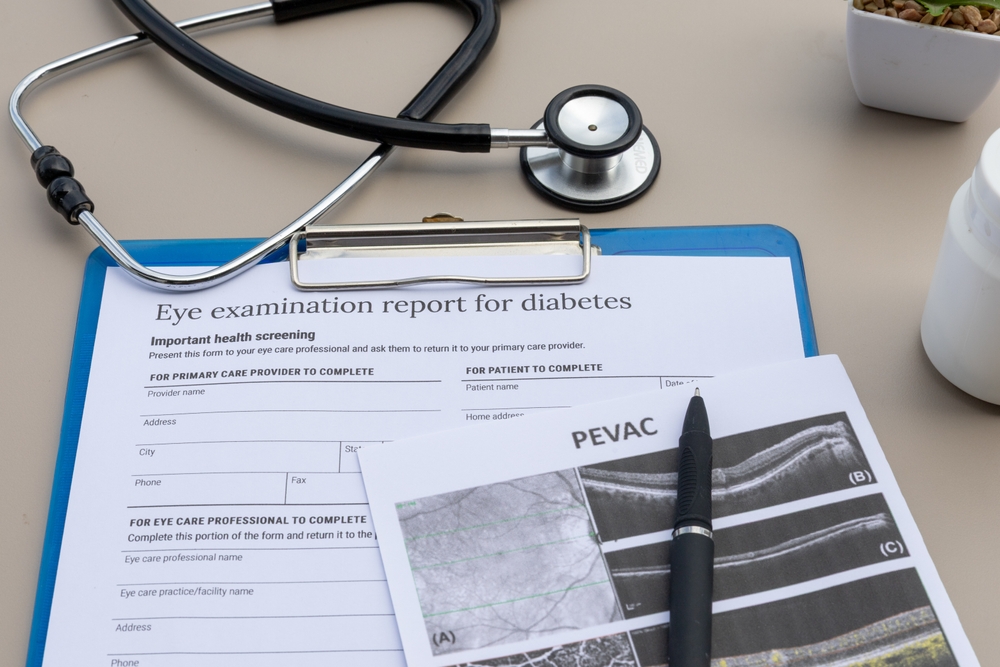
Managing diabetes means staying proactive about your overall health - and your vision is no exception. High blood sugar can cause gradual damage to the delicate structures inside your eyes, often without noticeable symptoms at first. Regular diabetic eye exams play a critical role in detecting early changes, preventing complications, and preserving your long-term eyesight.
How Diabetes Affects Your Eyes
Diabetes impacts the small blood vessels throughout your body, including those in your eyes. Elevated blood sugar levels can weaken, leak, or damage these delicate vessels, leading to several vision-threatening conditions.
Diabetic Retinopathy
Diabetic retinopathy is one of the most common complications of diabetes and a leading cause of vision loss in adults. It occurs when high blood sugar damages the blood vessels in the retina, causing swelling, leakage, or abnormal blood vessel growth.
In its early stages, diabetic retinopathy may not cause noticeable symptoms. As it progresses, you may experience:
• Blurry vision
• Dark spots or floaters
• Fluctuating vision
• Vision loss
Increased Risk of Other Eye Conditions
People with diabetes are also at higher risk for:
• Cataracts at a younger age
• Glaucoma
• Vision fluctuations due to blood sugar changes
Without proper monitoring, these conditions can progress and cause permanent vision damage.
The Importance of Diabetic Eye Exams
A diabetic eye exam is more than a standard vision check. While updating your glasses prescription is important, a comprehensive diabetic exam focuses on detecting early signs of damage inside the eye - often before you notice symptoms.
At Vicle Eye Care, a diabetic eye exam may include:
• Dilated retinal examination
• Retinal imaging
• Evaluation of the optic nerve and blood vessels
These tools allow us to detect even subtle changes in your retinal health and intervene early if needed.
The Power of Early Detection
The good news is that vision loss from diabetic eye disease is often preventable. When problems are identified early, prompt treatment and careful monitoring can greatly reduce the risk of serious complications and long-term damage.
Early detection makes it possible to provide timely medical referrals when necessary and begin treatments such as laser therapy or specialized injections if indicated. It also allows for important adjustments to your diabetes management plan in coordination with your primary care provider. Continued monitoring ensures that any changes are tracked closely, helping to prevent progression and preserve your vision.
Your Diabetic Eye Exam Today
With routine diabetic eye exams and proactive care, you can protect your eyesight and maintain clear, healthy vision for years to come. We are committed to helping patients with diabetes safeguard their eye health through advanced diagnostic technology.
Schedule your diabetic eye exam at Vicle Eye Care and take an important step toward protecting your vision for the future. Visit our office in Dania Beach, Florida, or call (305) 935-4606 to book an appointment today.

All Eye
Care Services

Keep
In Touch
MAP
Powered by: 