Neuro-Optometry Assessments: What They Are and Why They Matter
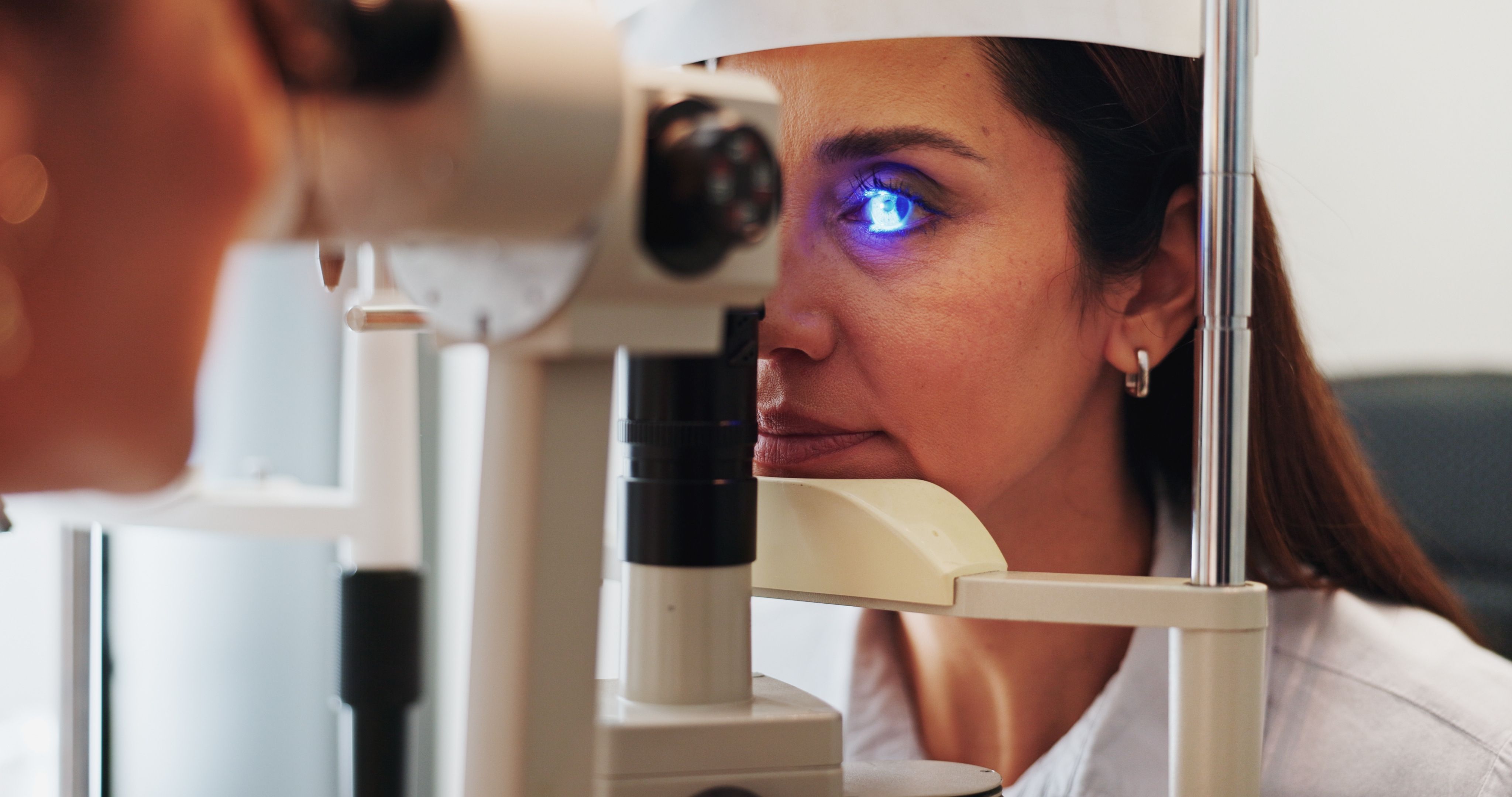
When most people think of an eye exam, they imagine checking vision clarity and updating a glasses or contact lens prescription. While those steps are important, they don’t tell the whole story of how your eyes and brain work together. Neuro-optometry focuses on how visual skills such as eye movement, focusing, and visual processing are connected to the brain.
What Is Neuro-Optometry?
Neuro-optometry is a specialized area of optometric care that evaluates the relationship between the visual system and the nervous system. Vision is not just about seeing clearly; it’s also about how the brain receives, interprets, and responds to visual information.
A neuro-optometry assessment examines how well the eyes and brain communicate. This is especially important after neurological events or when visual symptoms are linked to issues beyond simple refractive error.
What Happens During a Neuro-Optometry Assessment?
A neuro-optometry assessment is more detailed than a routine eye exam. It often includes:
• Eye movement testing to assess how accurately and smoothly the eyes track objects
• Visual processing evaluations to understand how the brain interprets visual input
• Binocular vision testing to see how well the eyes work together
• Visual field assessments to detect gaps or distortions in peripheral vision
• Balance and spatial awareness screening, when vision-related coordination is a concern
These tests help identify subtle visual disruptions that may impact daily activities such as reading, driving, or working on a computer.
Who Can Benefit From Neuro-Optometry Assessments?
Neuro-optometry assessments are valuable for a wide range of patients, including those who:
• Have experienced a concussion or traumatic brain injury (TBI)
• Are recovering from a stroke or other neurological condition
• Struggle with persistent headaches, dizziness, or eye strain
• Have difficulty with reading, focus, or visual attention
• Experience visual symptoms without a clear explanation from a standard eye exam
Children and adults alike can benefit, especially when symptoms interfere with learning, work, or quality of life.
Common Signs You May Need a Neuro-Optometry Evaluation
Many people don’t realize their symptoms are vision-related. Signs that may indicate the need for a neuro-optometry assessment include:
• Double vision or blurred vision that comes and goes
• Trouble concentrating or frequent visual fatigue
• Sensitivity to light or motion
• Poor balance or coordination
• Difficulty reading or losing your place on a page
Because these symptoms can overlap with other health conditions, a specialized assessment helps pinpoint whether vision is part of the problem.
Take the Next Step at Vicle Eye Care
Neuro-optometry assessments go beyond seeing clearly - they focus on how vision truly works within the brain. For individuals dealing with unexplained visual symptoms, neurological conditions, or lingering effects of injury, these assessments can provide clarity, answers, and a path forward.
If you or a loved one are experiencing ongoing visual symptoms that don’t seem to have an answer, a neuro-optometry assessment may help. Schedule a consultation with Vicle Eye Care to learn how neuro-optometry can support your vision, comfort, and overall well-being. Visit our office in Dania Beach, Florida, or call (305) 935-4606 today.

All Eye
Care Services

Keep
In Touch
MAP
Powered by: 