
Why Controlling Myopia Matters for Long-Term Eye Health
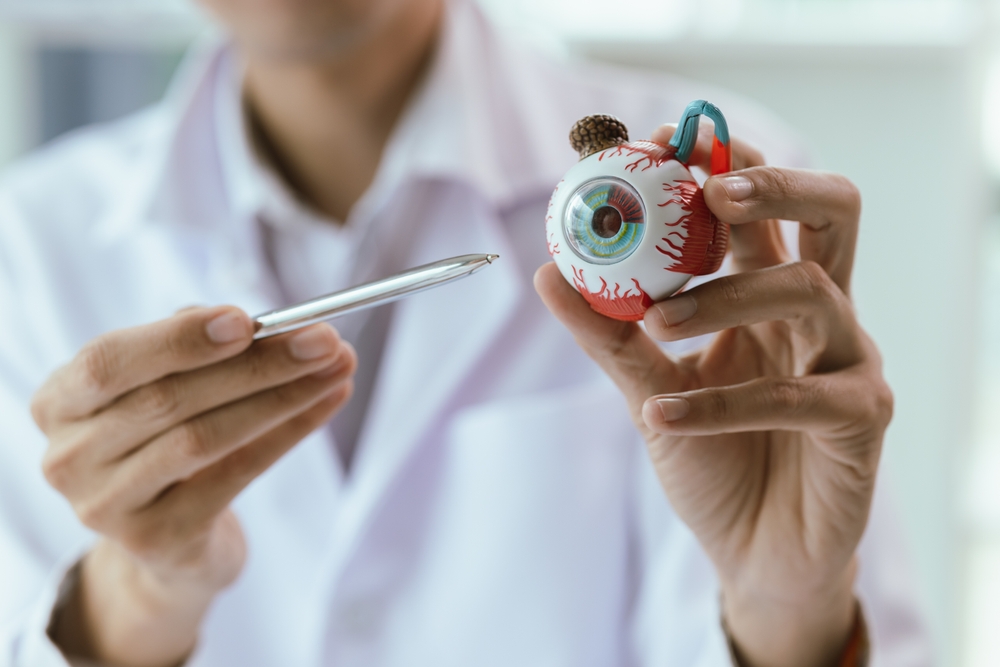
Myopia, or nearsightedness, makes faraway objects look blurry while close-up vision is usually clearer. For many children, it starts during the school years and can continue progressing as the eyes grow. While glasses or contact lenses can help a child see clearly, they do not always address the bigger concern - how quickly the myopia is advancing.
At Vicle Eye Care, we focus on myopia management because our goal is not only clear vision today, but healthier eyes for the future.
Why Progressive Myopia Matters
As myopia increases, the eye becomes longer from front to back. This stretching can place more stress on the retina and other delicate structures inside the eye. Higher levels of myopia are associated with a greater lifetime risk of eye conditions such as retinal detachment, glaucoma, cataracts, and myopic macular degeneration.
That is why early detection and consistent monitoring are so important. The sooner we identify myopia progression, the more opportunity we have to recommend options that may help slow it down.
Signs Your Child May Be Developing Myopia
Children do not always know how to explain vision changes, especially if blurry distance vision feels normal to them. Parents may notice small changes first, such as:
- Squinting to see the board, TV, or signs
- Sitting very close to screens
- Complaining of headaches or tired eyes
- Holding books or devices close to the face
- Struggling with schoolwork that requires distance vision
- Rubbing the eyes often
If you notice these signs, scheduling a pediatric eye exam can help determine whether myopia is present and whether it is progressing.
How Myopia Management Helps
Myopia management is designed to do more than update a prescription. It involves tracking the child’s vision, evaluating eye growth, and recommending a personalized approach based on their needs. Depending on the child, treatment may include specialty contact lenses, orthokeratology, myopia control lenses, or other options.
The right plan depends on the child’s age, prescription, lifestyle, eye health, and comfort level. Our role is to guide families through those options clearly so they can make informed decisions.
Healthy Vision Habits Still Matter
While treatment plays an important role, daily habits can also support a child’s visual comfort. Encouraging regular breaks from screens, balancing near work with outdoor time, and keeping up with routine eye exams can all help us monitor changes more closely.
These habits do not replace myopia management, but they can be part of a more complete plan for long-term eye health.
When to Start the Conversation
If a child is already nearsighted, or if myopia runs in the family, it is worth asking about myopia management early. Waiting until a prescription becomes much stronger can limit the opportunity to slow progression during key years of eye growth.
At Vicle Eye Care, we offer myopia control solutions for families in Dania Beach, FL who want to take a proactive approach to their child’s vision and eye health.
To learn more about myopia management, contact Vicle Eye Care in Dania Beach, FL by calling (305) 935-4606.

All Eye
Care Services

Keep
In Touch
MAP
Powered by: 